Data & AI Advanced
The Tenant Is the New Microservice
Many Azure SaaS systems start with a simple idea: add a tenant ID column, authenticate users with Microsoft Entra ID, and make sure every query filters by tenant. That works at prototype scale, but it quickly becomes fragile when customers need different compliance boundaries, data residency, encryption keys, network controls, feature flags, audit trails, and operational isolation. At that point, multi-tenancy stops being a database pattern and becomes a full architecture problem.
This session explores how to design a production-grade multi-tenant SaaS architecture on Azure where each tenant is treated as a first-class operational boundary. We will go beyond the usual "shared database versus database-per-tenant" discussion and examine how tenant context should flow through identity, APIs, compute, data storage, secrets, observability, deployment, and incident response.
The session will walk through a reference architecture using Microsoft Entra ID, Azure API Management, Azure Container Apps or Azure Functions, Azure SQL or Azure Database for PostgreSQL, Row-Level Security, Azure Key Vault, Azure App Configuration, Azure Monitor, Log Analytics, and Defender for Cloud. We will look at how to enforce tenant isolation at multiple layers instead of trusting application code alone, how to prevent cross-tenant data exposure, how to support noisy-neighbour controls, and how to build tenant-aware telemetry that makes support and incident investigation practical.
Attendees will leave with a concrete design model for building safer and more scalable SaaS platforms on Azure. They will understand the trade-offs between shared, pooled, and isolated tenancy models, how to combine identity claims with database and API-level enforcement, and how to design for enterprise customer requirements without creating a separate snowflake environment for every tenant.
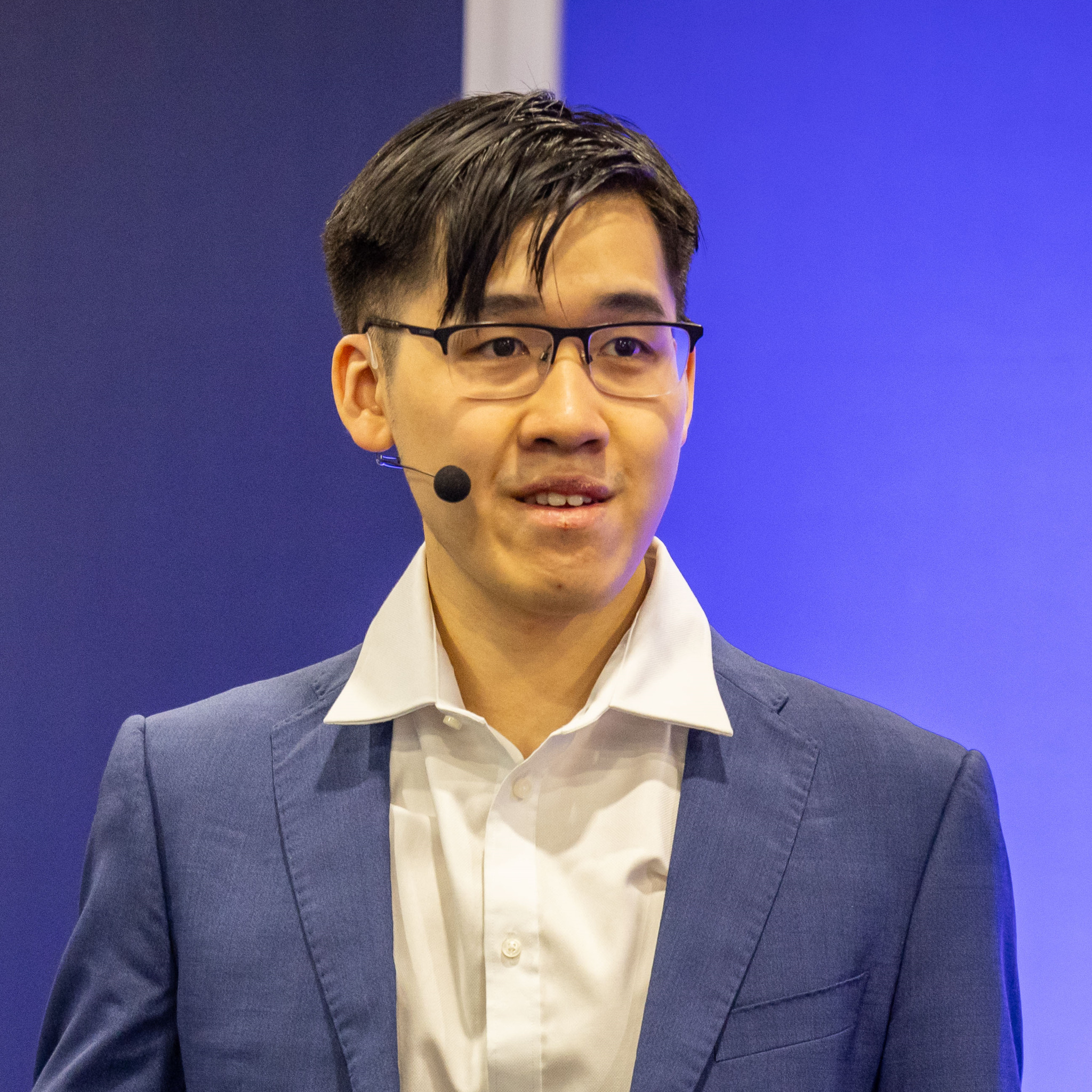
Renaldi Gondosubroto
Director · Cloudetica Solutions
Long Session